Best Time to Visit Biogradska Gora
A season-by-season guide to visiting Biogradska Gora National Park — including the best months for Biogradska Lake, hiking, autumn colours, summer weather, winter scenery, photography, road access and quiet travel.
 By Boban MirkovićUpdated 10-minute read
Overview
The best time to visit Biogradska Gora depends on what you want from the park.
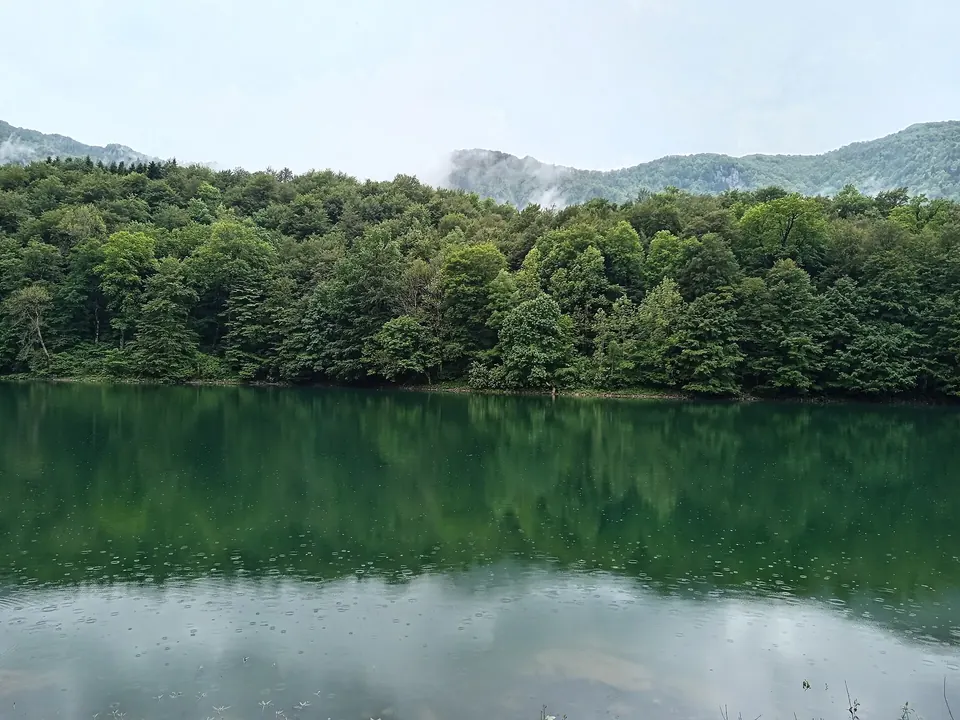
Biogradska Gora is not a place with one single “perfect” season. The park changes dramatically through the year: spring brings fresh forest and high water levels, summer is the easiest time for lake walks and hiking, autumn creates the most atmospheric colours, and winter turns the area into a quieter, snow-covered mountain landscape.
For most first-time visitors, the best time to visit Biogradska Gora National Park is from late May to October. This period gives the best balance of road access, walking conditions, lake scenery and flexibility. If your priority is photography, autumn may be even better. If your priority is easy planning, summer is the safest choice.
This guide explains the best months for Biogradska Lake, forest walks, hiking, viewpoints, road trips and quiet travel, so you can choose the right season for your itinerary.
Best overall months
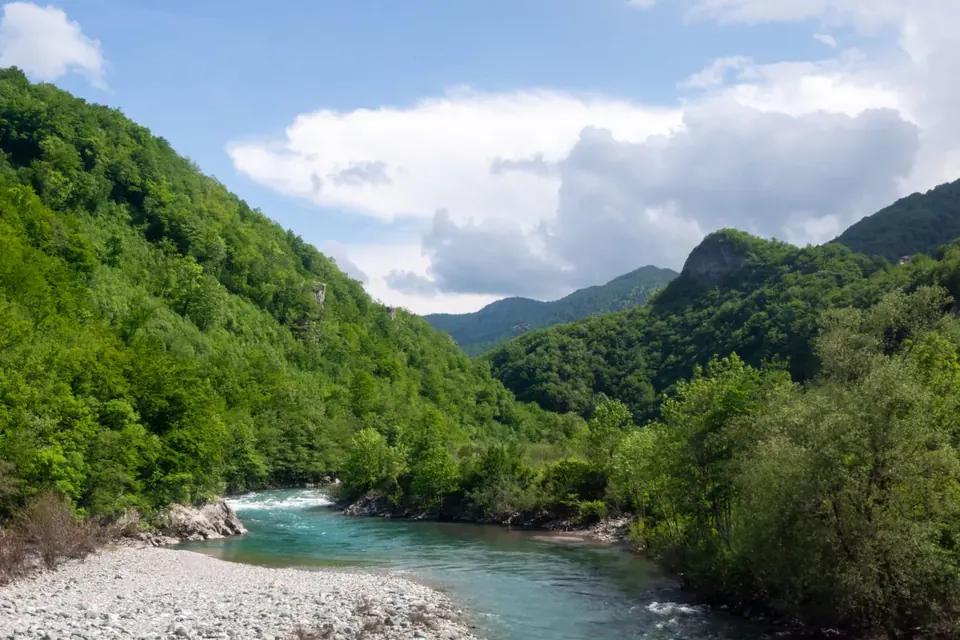
June, September and early October offer the best mix of access, scenery, comfortable weather and fewer crowds.
Quick planner
Best time to visit at a glance
Choose your season based on access, crowds, hiking, photography and the atmosphere you want.
Jun
Best overall balance
Green forest, easier access, pleasant weather and fewer visitors than peak summer.
Jul–Aug
Easiest planning
Best for families, first-time visitors, lake activities and longer summer itineraries.
Sep–Oct
Best for atmosphere
Autumn colours, softer light, quieter trails and the most photogenic forest mood.
Winter
Most demanding
Beautiful and quiet, but road access, snow and weather require flexible planning.
Best overall season
Late spring to early autumn is the safest choice for most visitors.
If you are planning your first visit and want the least complicated answer, choose the period from late May to early October. During these months, access to the park is usually easier, the forest is alive, the lake area is pleasant, and most visitors can walk, take photos, picnic and explore without winter restrictions.
June and September are especially strong months. They avoid the hottest and busiest part of summer while still offering good conditions for walking around the lake, visiting Kolašin, driving in northern Montenegro and combining the park with other nature destinations.
July and August are convenient, especially for families and summer holidays, but they are also busier. If you visit in peak season, arrive early, start with the lake in the morning and leave more flexibility for parking and slow roads.
Best first visit
June or September for good access, comfortable temperatures and a calmer atmosphere.
Best easy month
July for the simplest summer planning, longer days and easy family visits.
Best quiet month
Early October for autumn colour, softer light and fewer visitors around the lake.
Plan the visit
See the full practical guide for access, parking, timing and entrance planning.
Spring
Visiting Biogradska Gora in spring
Spring is fresh, green and atmospheric, but early spring can still feel like a mountain transition season.
Spring in Biogradska Gora is one of the most beautiful times for forest atmosphere. The trees come back to life, water levels are often stronger, and the whole park feels fresh after winter. Around the lake, the greens are softer and brighter than in late summer, and the forest can feel especially alive after rain.
The main thing to understand is that spring in the mountains is not the same as spring on the coast. March and April can still be unpredictable, with cold mornings, wet paths, snow remaining in higher areas and more limited hiking possibilities. May is usually a much better month for regular visitors, while late May and June offer a strong balance between beauty and practicality.
Spring is excellent if you want greenery, fewer people and a quieter visit. It is less ideal if your plan depends on high mountain hiking, perfect dry trails or guaranteed warm weather.
Summer
Visiting Biogradska Gora in summer
Summer is the easiest season for most travellers, especially families and first-time visitors.
Summer is the most straightforward time to visit Biogradska Gora. Roads are easier, days are longer, the lake loop is accessible, boats or kayaks are more likely to be available, and hiking options are broader. If you want the simplest possible trip, summer is the safest choice.
The park is also a good escape from hotter parts of Montenegro. While the coast can feel crowded and intense in July and August, Biogradska Gora offers shade, water, forest and a cooler mountain atmosphere. This makes it a strong option for travellers who want nature without committing to a difficult hike.
The trade-off is that summer is busier. The lake area receives more visitors, parking can be more active, and the middle of the day may feel less peaceful. To enjoy the park properly, arrive early, walk the lake loop first, and leave time for a slower break under the forest canopy.
Autumn
Autumn is the most atmospheric time to visit Biogradska Gora.
If you care about mood, photography and forest colours, autumn may be the best time to visit Biogradska Gora. The park’s identity is built around lake reflections, ancient forest and quiet green space — and in autumn, all of that becomes more layered and dramatic.
Late September and October are especially beautiful. The light becomes softer, the forest begins to change colour, the lake feels calmer, and the busiest summer period is over. This is the season when Biogradska Gora feels less like a quick attraction and more like a place to slow down.
Autumn is not completely predictable. Rain is possible, mornings can be cold, and conditions become more changeable as the season moves toward November. But for many travellers, this uncertainty is part of the atmosphere. Bring layers, waterproof shoes and enough flexibility to adapt your plan.
Best for
Photography, colours, reflections, quiet travel, forest atmosphere and slow walking.
Best months
Late September and October, depending on weather and seasonal colour timing.
Bring
Layers, waterproof footwear, camera protection and enough time to wait for light.
Viewpoint guide
Pair autumn colours with lake, forest and Bjelasica mountain viewpoints.
Winter
Visiting Biogradska Gora in winter
Winter can be magical, but it is not the easiest season for a first visit.
Winter transforms Biogradska Gora into a quieter and more demanding place. Snow, frozen paths, cold air and reduced access can make the park feel completely different from the summer version. For travellers who love winter landscapes, this can be very beautiful. For travellers expecting an easy lake walk, it may be less practical.
The main challenges are road conditions, weather, daylight and access. Kolašin is the most useful base in winter because it gives you accommodation, restaurants, ski access and a practical starting point for checking local conditions before visiting the park or the surrounding mountains.
If you plan a winter visit, do not build a rigid itinerary around Biogradska Gora alone. Treat it as a flexible nature option within a wider Kolašin and northern Montenegro winter trip.
By activity
Best time by activity
The right month depends on whether you want lake walks, hiking, photography or a quiet escape.
Biogradska Lake
Best from late May to October. Summer is easiest; autumn is best for reflections and colours.
Hiking
Best in summer and early autumn, when trails are more accessible and daylight is longer.
Photography
Best in autumn for colour and mood, and early morning in any season for reflections and soft light.
Quiet travel
Best in May, June, September and October, outside peak summer holiday periods.
If your trip includes several activities, choose June or September. These months are flexible enough for lake walks, hiking, driving, photography and combining Biogradska Gora with Kolašin or other northern Montenegro destinations.
Month by month
Month-by-month guide
A practical overview for planning your visit around weather, access and atmosphere.
April
Early season. Beautiful but unpredictable, with wet trails and possible snow higher up.
May
Fresh, green and quieter. A good month for forest atmosphere, with improving access.
June
One of the best months overall: green, accessible, comfortable and not yet peak-crowded.
July–August
Best for easy summer visits, families and longer days, but busier around the lake.
September
Excellent for hiking, road trips, lake walks and calmer travel after peak summer.
October
Best for autumn colours, photography and quiet atmosphere, with cooler weather.
November
Late autumn, more uncertain weather, fewer visitors and limited hiking reliability.
December–March
Winter scenery, snow and quiet travel, but access and road conditions require flexibility.
Roads & access
The best season also depends on driving conditions.
Biogradska Gora is a mountain park, so road access and driving conditions matter when choosing your travel dates. In late spring, summer and early autumn, driving is usually simpler. In winter and early spring, snow, ice, fog or wet mountain roads can make travel slower and less predictable.
If you are renting a car, June to September is the easiest period for a northern Montenegro road trip. May and October can be excellent too, but they require more attention to weather. Winter trips are possible, but they are better for flexible travellers who are comfortable adjusting plans around road conditions.
This is especially important if you plan to combine Biogradska Gora with Tara Canyon, Durmitor, Bjelasica or longer mountain drives. The map may look simple, but weather and elevation can change the real experience quickly.
Driving guide
Road conditions, safety advice and realistic driving tips for northern Montenegro.
Car rental guide
Vehicle choice, insurance, winter equipment and rental advice for mountain travel.
Mountain roads
A deeper guide to scenic drives, mountain passes and road trip planning.
Itinerary planning
Best time for a northern Montenegro itinerary
If Biogradska Gora is part of a wider route, choose a season that works for the whole region.
For a simple Biogradska Gora day trip, summer and early autumn are easiest. For a slower 3-day northern Montenegro itinerary, June and September are ideal because you can combine the lake, Kolašin, Tara Canyon and Bjelasica without the peak summer rush.
For a longer 7-day Montenegro nature itinerary, late spring to early autumn is best. This gives you the flexibility to include multiple national parks, hiking days, road trips and mountain landscapes without building everything around winter road conditions.
If your travel dates are fixed in July or August, do not worry. Biogradska Gora is still excellent in summer. Just plan the day well: arrive early, walk first, rest at the lake, and avoid trying to add too many distant stops in one afternoon.
Essential Questions
What is the best month to visit Biogradska Gora?
June and September are often the best months to visit Biogradska Gora. They offer good access, pleasant weather, green scenery or early autumn atmosphere, and fewer visitors than peak summer.
Is summer a good time to visit Biogradska Gora?
Yes. Summer is the easiest season for lake walks, families, hiking, boat activities and simple planning. July and August are busier, so arriving early is recommended.
When are the autumn colours in Biogradska Gora?
Autumn colours are usually best from late September into October, depending on weather and seasonal conditions. This is one of the most atmospheric times for photography around the lake and forest.
Can you visit Biogradska Gora in winter?
Yes, but winter is more demanding. Snow, road conditions, shorter days and limited access can affect the visit. It is best planned from Kolašin with flexible expectations.
What is the quietest time to visit Biogradska Gora?
May, June, September and October are generally quieter than peak summer. Early morning is also the best time of day for a calm lake and forest experience.
What is the best time for hiking in Biogradska Gora?
Summer and early autumn are usually best for hiking because trails are more accessible and daylight is longer. Always check weather before longer routes.
Is Biogradska Gora crowded in August?
August is one of the busier months, especially around the lake area. The park is still worth visiting, but it is better to arrive early and avoid the middle of the day if you want a quieter atmosphere.
When is the best time to photograph Biogradska Lake?
Early morning is best for reflections and soft light. Autumn is the strongest season for colour and atmosphere, especially from late September into October.
Keep reading
Related Guides
Biogradska Gora in Summer
What to expect in summer, including lake walks, crowds, heat, hiking and family planning.
Biogradska Gora in Winter
Snow, access, winter roads, Kolašin base planning and realistic cold-season advice.
Biogradska Lake
The complete guide to the lake, loop walk, access, timing and practical details.
Hiking in Biogradska Gora
Trail planning, difficulty, viewpoints and what to know before hiking beyond the lake.
For most travellers, June, September and early October are the sweet spot.
Choose summer for simplicity, autumn for atmosphere, spring for freshness and winter for a quieter, more demanding mountain experience. Whatever the season, Biogradska Gora is best when you slow down and let the lake, forest and mountains set the pace.
Choose the season by what you actually want
There is no single “best month”. The best choice depends on whether you value predictability, colour, solitude or snow. For a first trip with limited flexibility, summer or early autumn is the safest answer.
Keep planning
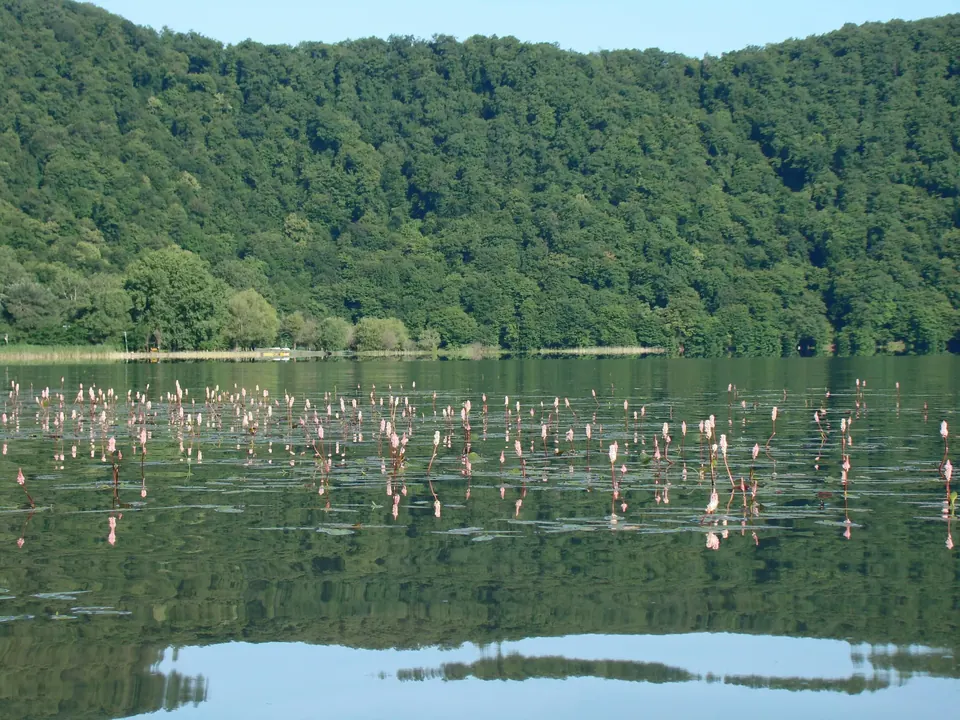 Biogradska GoraBiogradska Lake (Biogradsko Jezero)Plan your visit to Biogradska Lake in Montenegro: lakeside loop, best time to go, how to get there, parking, boat rental, hiking tips and nearby places.
 Biogradska GoraBiogradska Gora vs Black LakeCompare Biogradska Gora and Black Lake near Žabljak: atmosphere, ease, landscape style and who each destination suits best.
 Biogradska GoraDurmitor vs Biogradska GoraCompare Durmitor and Biogradska Gora for your Montenegro trip: scenery, hiking, lakes, families, road trips, where to stay and best choice.
 Biogradska GoraHiking in Biogradska GoraPlan your hike in Biogradska Gora National Park: lake loop, Bendovac viewpoint, Bjelasica trails, difficulty levels, best season, gear and safety tips.