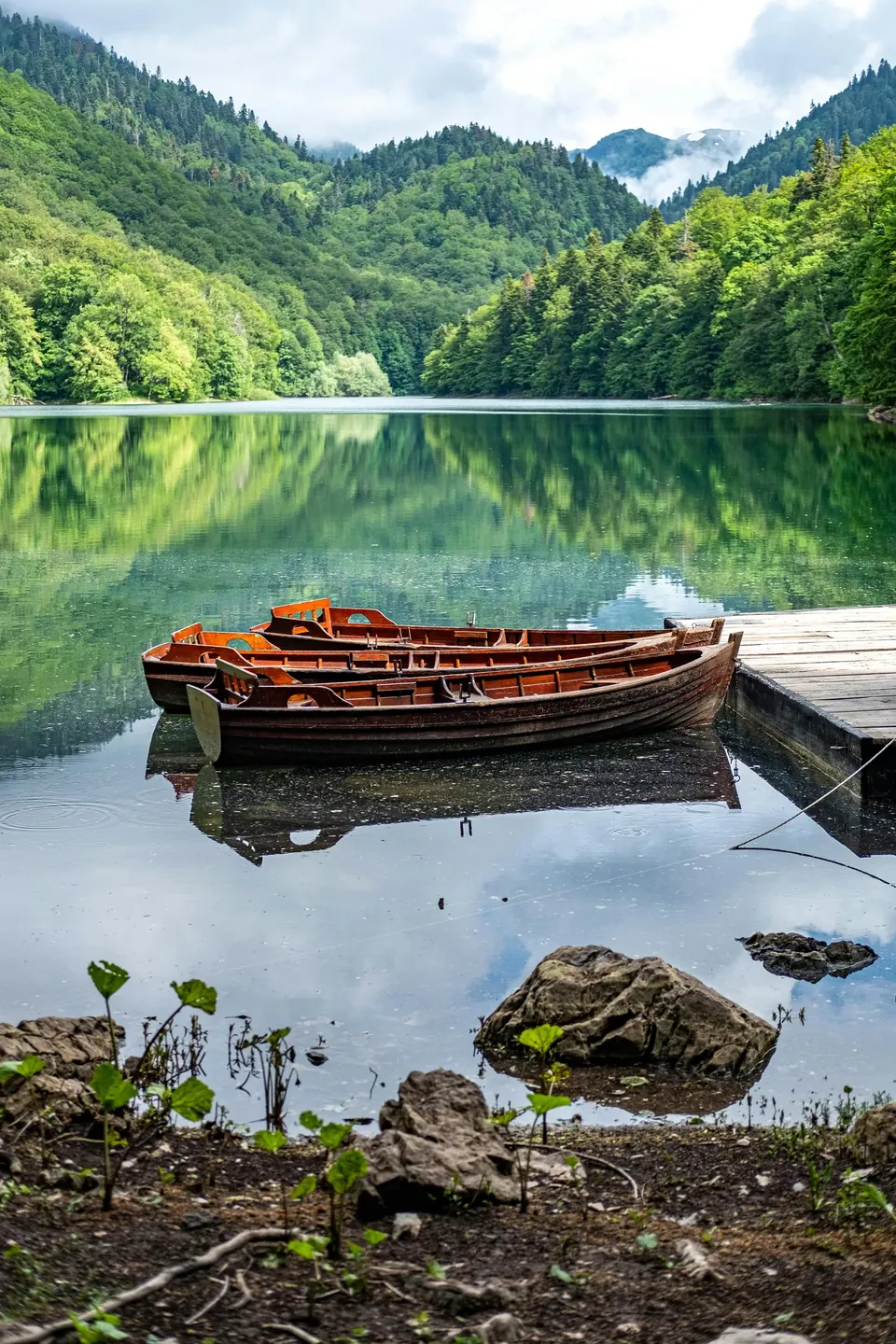
Biogradska Gora National Park: The Complete Guide
One of Europe’s last three primeval forests, six glacial lakes and the gentle Bjelasica mountains: the complete planning guide to Montenegro’s first national park.
 By Boban MirkovićUpdated 10-minute read
Why this park matters
A small national park with an unusually powerful sense of wilderness.
Biogradska Gora sits in the heart of the Bjelasica mountain range in northern Montenegro, between the Tara and Lim rivers and just a short drive from Kolašin and Mojkovac. It is Montenegro’s first national park, protected since 1952, with origins as a royal reserve created by Prince Nikola Petrović in 1878 — making it one of the oldest protected areas in Europe.
At its core lies a strictly protected primeval-forest reserve. Montenegro’s national tourism office still publishes the familiar visitor figures of 5,650 hectares for the park and 1,600 hectares for the protected natural zone, while a 2022 revision study cited by UNESCO gives newer figures of 5,962 hectares for the park and about 2,856 hectares for the Virgin Forest Reserve. Because official sources currently use both datasets, this guide keeps the visitor-facing figures where useful and flags the newer conservation figures rather than pretending there is one uncontested number.
The park is compact enough to visit in half a day, but rich enough to anchor a full northern Montenegro itinerary with lake walks, forest trails, viewpoints, mountain roads and nearby Kolašin.
The park in numbers
Biogradska Gora by the numbers
Small in size, exceptional in ecological depth.
5,650
hectares total
Montenegro’s smallest national park
1,600
ha of virgin forest
Among Europe’s last three primeval reserves
6
glacial lakes
Between 1,000 and 2,000m altitude
2,139m
highest peak
Crna Glava, in the Bjelasica massif
2,000+
plant species
Around 20% endemic to the Balkans
500+
years reported
Montenegro Tourism reports trees over 500 years old in the primeval forest
1952
national park since
Protected as a royal reserve since 1878
1,094m
Biogradsko Lake
The park’s emerald centrepiece
Quick facts
Biogradska Gora at a glance
The essentials before you plan your visit.
Best base
Kolašin (≈10 km from the entrance) is the most practical base for accommodation, restaurants and quick park access.
Main highlight
Biogradsko Lake, surrounded by primeval forest, accessible by an easy 3.5 km lakeside loop.
Time needed
Half a day for the lake loop, one full day for a slower visit, two days or more for serious hiking.
Best for
Forest walks, photography, slow travel, hiking, families, and northern Montenegro road trips.
Primeval forest & UNESCO nomination
Walking through one of Europe’s last primeval forests.
What makes Biogradska Gora exceptional is not its size but the continuity of its forest ecosystems. The park contains a strictly protected virgin-forest reserve where natural processes remain the central conservation priority. UNESCO’s current tentative-list documentation describes it as one of Europe’s last virgin forests and cites a 2022 revision study for the reserve boundaries.
Biogradska Gora is not currently an inscribed component of UNESCO’s transnational World Heritage property “Ancient and Primeval Beech Forests of the Carpathians and Other Regions of Europe”. Montenegro has proposed the Virgin Forest Reserve as an extension; UNESCO currently lists that proposal on the Tentative List. This distinction matters: the ecological importance is real, but the World Heritage status should not be overstated.
1878
Protected as a royal reserve by Prince Nikola Petrović — "Kraljev Zabran".
1952
Officially declared Montenegro’s first national park.
1977
A protected primeval-forest landscape at the heart of the Bjelasica massif.
2021
Proposed by Montenegro as an extension to UNESCO’s transnational beech-forest World Heritage property; currently on the Tentative List.
Wildlife & flora
A Balkan biodiversity hotspot.
Within just 54 km², Biogradska Gora packs 26 distinct plant habitats, from valley wetlands to subalpine meadows.
The forest canopy
Around 86 woody species form the forest, but three dominate the primeval core: European beech, silver fir and Norway spruce. Some individuals exceed 50m in height and 400 years in age — the famous "Doria" fir reached 59.7m before falling around 2019.
Endemic plants
Over 2,000 plant species and subspecies have been recorded, and roughly one in five is endemic to the Balkans or the Dinarides — including rare gentians, saxifrages and the Greek maple (Acer heldreichii).
Large mammals
The undisturbed forest supports brown bears, wolves, lynx, chamois, red and roe deer, wild boar and otters. Encounters with large predators are extremely rare on marked trails, but the habitat quality is what matters here.
Birds & specialists
Around 150 bird species, including golden and imperial eagles, hawks, buzzards, grouse and several rare woodpeckers (white-backed and three-toed) that depend on old-growth deadwood. Bjelasica has IBA (Important Bird Area) status.
What to see
The essential places inside the national park.
Most first-time visitors focus on Biogradsko Lake and the surrounding forest. That is the right starting point. From there, the park opens into higher trails, viewpoints over the Bjelasica peaks and quieter mountain areas — including smaller glacial lakes like Pešića Jezero and Ursulovačko Jezero — for visitors who have more time.
Biogradsko Lake
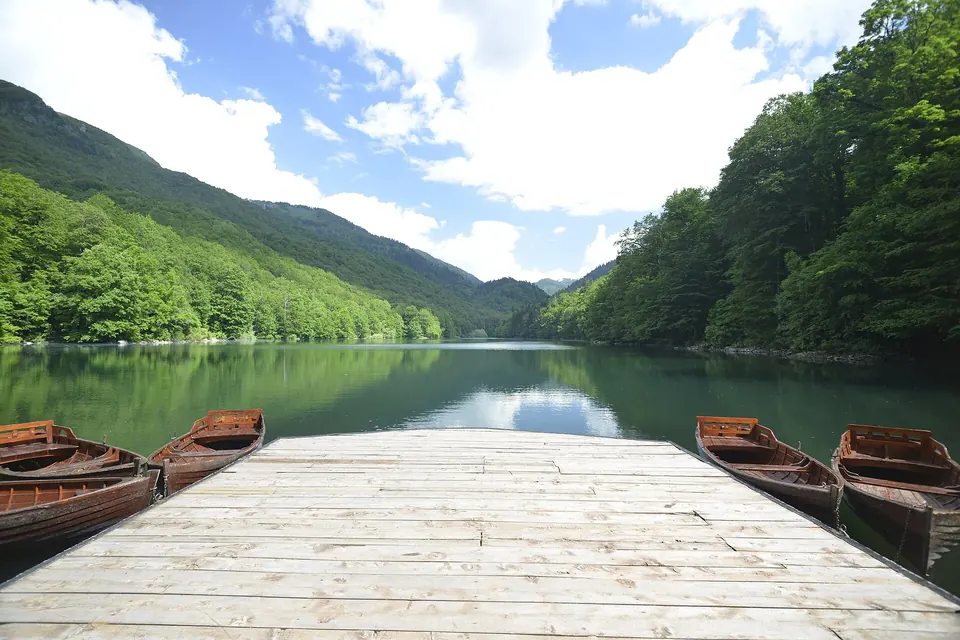
The iconic glacial lake at 1,094m, with a flat 3.5 km loop trail, picnic spots and a boardwalk through ash-alder forest.
Forest trails
From short lakeside walks to multi-hour climbs toward Crna Glava (2,139m) and Zekova Glava (2,117m).
Viewpoints
Bendovac and the higher Bjelasica ridges open over forest valleys and northern Montenegro scenery.
Things to do
Lake walks, rowing boats, kayaking, mountain biking, photography, picnics and slow nature experiences.
Suggested itineraries
Three ways to experience the park.
From a quick stop on a road trip to a slower mountain stay, here is how to shape your visit.
The lake-only visit
Half day · Easy — Drive in from Kolašin, park near the lake, walk the 3.5 km loop, have lunch at the lakeside restaurant, take the boat for half an hour. Best for: families, road-trip stops, first-timers.
The full slow day
One day · Moderate — Morning lake loop, mid-morning hike up toward Bendovac viewpoint, picnic in the meadows, afternoon return through the forest, sunset in Kolašin. Best for: nature lovers, photographers, light hikers.
The full Bjelasica experience
2–3 days · Northern road trip — Day 1: lake and forest. Day 2: hike to Pešića Lake or Zekova Glava, overnight in a katun. Day 3: Tara Canyon, Đurđevića bridge and back via Mojkovac. Best for: hikers, slow travellers, road trip in the north.
Plan your visit
Make the visit simple, realistic and enjoyable.
Biogradska Gora is easy to visit, but the experience depends on timing, weather, transport and how much of northern Montenegro you want to include.
How to Visit
A practical overview of entrance, access, timing, parking and what to expect on arrival.
How to Get There
Routes from Kolašin, Podgorica, Mojkovac, the coast and wider northern Montenegro — by car, bus or scenic train.
Best Time to Visit
Season-by-season advice for lake colours, hiking, road conditions and crowds.
Practical essentials
What to know before you go.
Tariffs and opening conditions change. Confirm with the park information centre on the day of your visit.
Entrance fee
From ~€5 per person
Young children typically free. Confirm at the gate.
Parking
Free at the lake
Limited in summer — arrive early in July and August.
Distance from Kolašin
≈ 10 km
About 15 minutes by car via a forest road.
Boat rental
Available at the lake
Rowing boats and kayaks from the lakeside hut.
Best months
May to October
Peak hiking weather June–September.
Summer temperature
20–25 °C at the lake
Markedly cooler than the Montenegrin coast.
Cash or card
Cash (€) recommended
Some on-site services are cash only.
Pets
On leash only
To protect wildlife in the primeval forest.
Seasons
The park changes completely with the season.
Spring (May–June) brings flowering meadows and strong waterfalls. Summer (July–August) is the easiest season for lake walks, hiking and warmer water. Early autumn — late September to mid-October — is widely considered the most photogenic period, with the beech and maple forest turning gold and amber.
Winter can be beautiful: the lake often freezes, the forest fills with snow, and Kolašin becomes a small ski base. But access roads, parking and trails all require more planning, warm gear and flexibility with weather.
Biogradska Gora in Summer
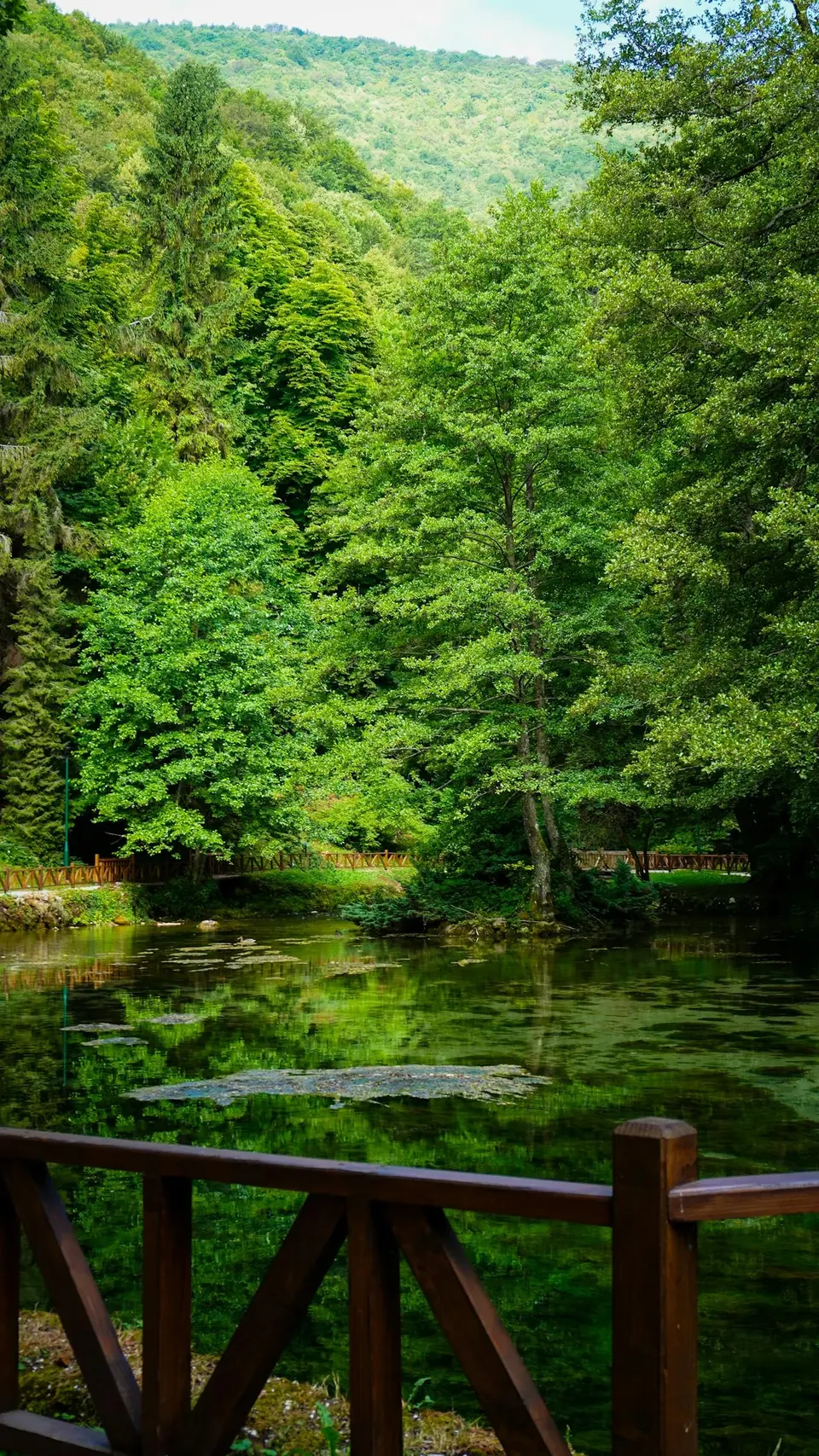
The easiest season for first-time visitors: warm weather, full lake access, all trails open and good hiking conditions in the Bjelasica.
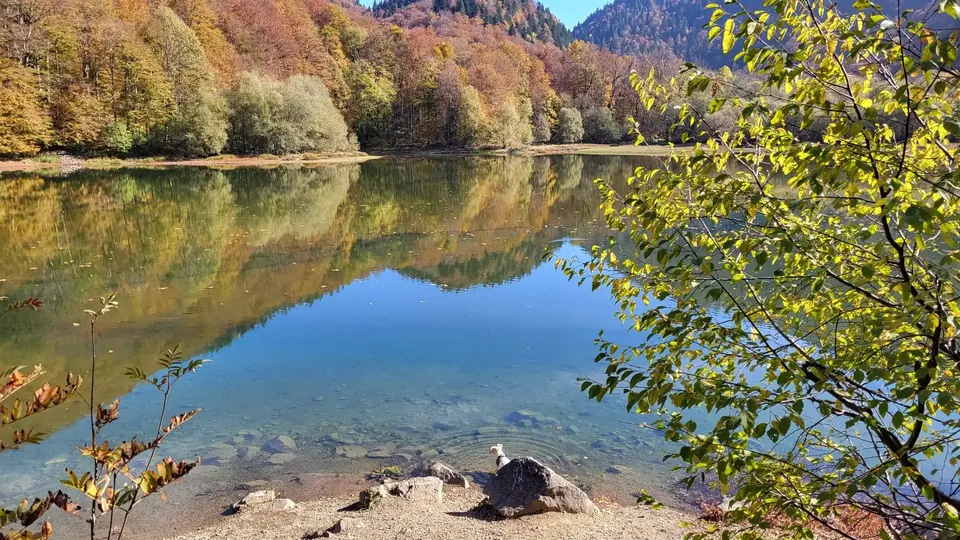
Biogradska Gora in Autumn
Late September to mid-October: gold-amber forest, mist over the lake at sunrise, far fewer visitors. The most photogenic window of the year.
Biogradska Gora in Winter
A slower, snowier experience best combined with Kolašin skiing and realistic winter road planning — chains and a 4×4 are sometimes useful.
Where to stay
Use Kolašin as your mountain base.
For most travellers, Kolašin is the easiest and most comfortable base for Biogradska Gora National Park, with hotels, eco-lodges, restaurants and a year-round mountain atmosphere.
Kolašin Guide
The main town for restaurants, hotels and easy park access.
Bjelasica Mountains
Open ridges, katuns and soft alpine landscapes around the park.
Tara Canyon
A spectacular extension for a northern Montenegro itinerary.
Compare
Biogradska Gora vs Durmitor: which to choose?
Both are northern Montenegro national parks, but they offer very different experiences.
Choose Biogradska Gora if…
You want a primeval forest atmosphere, not big alpine ridges. You prefer a half-day or one-day low-effort visit. You travel with children or older relatives. You want a quieter, less-crowded alternative. You are based in Kolašin or Mojkovac.
Choose Durmitor if…
You want dramatic peaks above 2,500m and bigger hikes. You plan multi-day trekking, climbing or rafting. You want Black Lake plus the Tara Canyon rafting hub. You have several days and a car. You want the larger, more famous Montenegrin park.
Essential Questions
Is Biogradska Gora National Park worth visiting?
Yes. It is one of the most peaceful and distinctive places in Montenegro, especially if you enjoy forests, lakes, easy nature walks and mountain scenery without coastal crowds. The 1,600-hectare primeval forest alone makes it ecologically unique in Europe.
How long do you need in Biogradska Gora?
A half day is enough for Biogradsko Lake and a short walk. A full day is better if you want to slow down, take photos, picnic or add a longer trail. Hikers can easily fill two or three days exploring the wider Bjelasica.
Do you need a car to visit?
A car is strongly recommended. Local buses on the Kolašin–Mojkovac route can drop you near the park entrance, but you still face a 4–5 km walk from the main road to the lake. With a car, you also have the flexibility to combine the park with Tara Canyon, Bjelasica katuns and other northern Montenegro places.
How much does it cost to enter?
The entrance fee is generally around €5 per adult, with reductions for children. Parking near the lake is free. Boat rental, guided hikes and the optional summer tourist train are paid separately. Prices can change year to year, so confirm at the park information centre.
What is the best time to visit?
Late spring (May–June), summer and early autumn are the easiest periods for most visitors. Late September to mid-October offers the strongest autumn colours. Winter can be beautiful, but snow and road conditions require more preparation.
Can you swim in Biogradsko Lake?
Swimming is generally not encouraged: the lake is small, cold even in summer, ecologically sensitive and shared with fragile aquatic vegetation. Rowing boats and kayaks are the preferred way to enjoy the water. Always check the rules signed at the lakeside.
Are there bears and wolves in the park?
Yes, brown bears, wolves and lynx all live in the wider Bjelasica region. Encounters with humans on marked trails are extremely rare, and these animals avoid busy areas. Stick to trails, keep dogs on a leash, do not leave food behind, and avoid hiking alone off-trail at dawn or dusk.
Where should you stay?
Kolašin is the best base for most travellers, with hotels, restaurants and easy park access. Wooden cabins are available right at the lake for an immersive experience, and katuns in the Bjelasica offer a more authentic mountain stay for hikers.
Keep reading
Related Guides
Biogradska Lake
The complete guide to the park’s most iconic lake.
Hiking in Biogradska Gora
Trails, difficulty, timing and realistic hiking advice.
Best Things to Do
Lake walks, viewpoints, kayaking and slow nature ideas.
Biogradska Gora Day Trip
A simple one-day itinerary from Kolašin or northern Montenegro.
Start with the lake, then explore deeper.
Biogradska Gora is at its best when you take your time: walk around the lake, listen to the forest, then connect the park with Kolašin and the wider landscapes of northern Montenegro.
Official sources and data note
Park figures are not perfectly aligned across official publications. Montenegro’s national tourism site publishes 5,650 ha for the park and 1,600 ha for the protected natural zone, while UNESCO’s current Tentative List entry cites a 2022 revision study giving 5,962 ha for the park and about 2,856 ha for the Virgin Forest Reserve. For conservation status and boundaries, use the latest official source rather than an old travel article.
Every guide in this section
 Biogradska GoraBiogradska Gora in AutumnA guide to visiting Biogradska Gora in autumn for foliage, atmosphere, weather and photography.
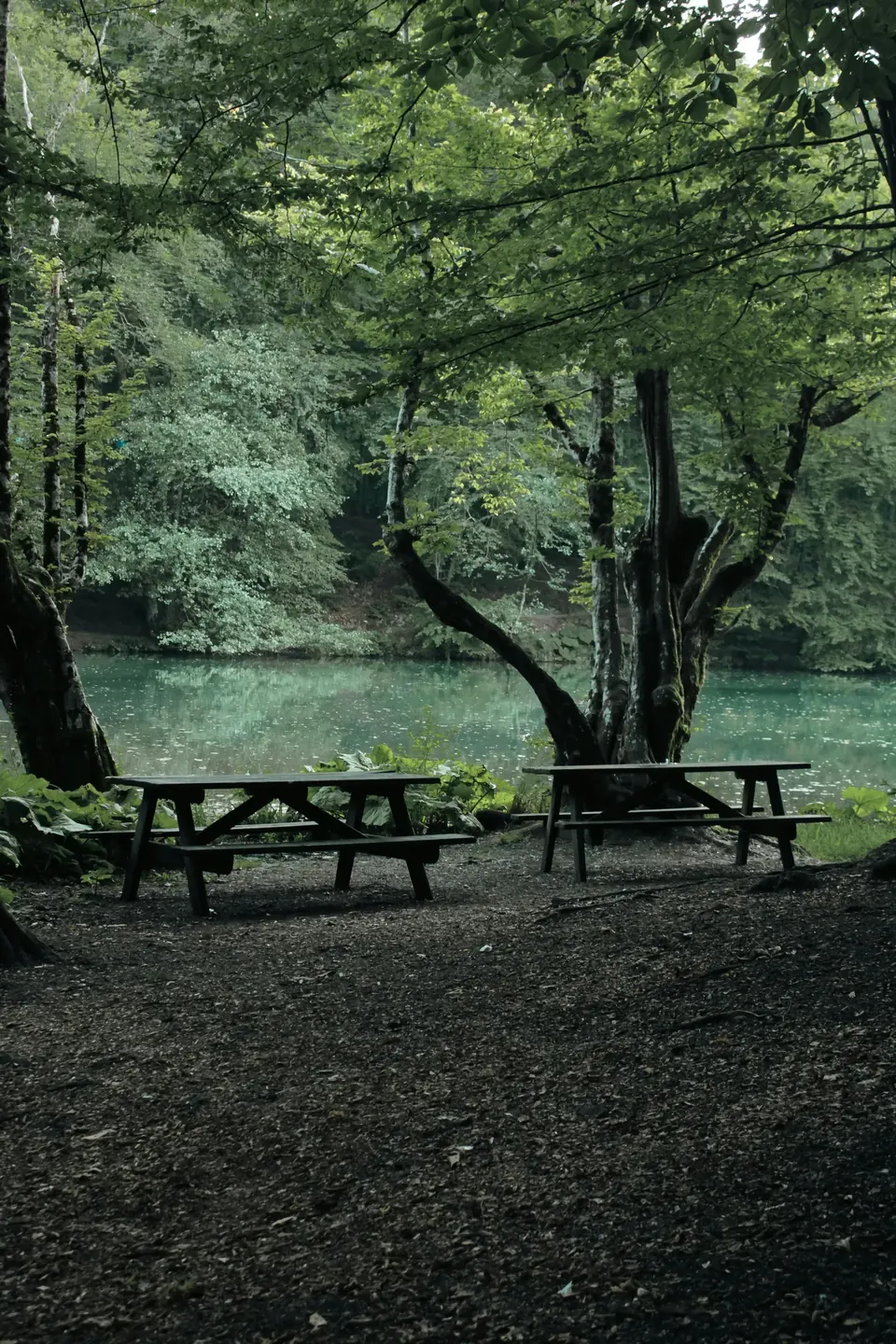 Biogradska GoraBest Short Walks in Biogradska GoraFind the best short and easy walks in Biogradska Gora for a relaxed half-day, with practical advice for first-time visitors.
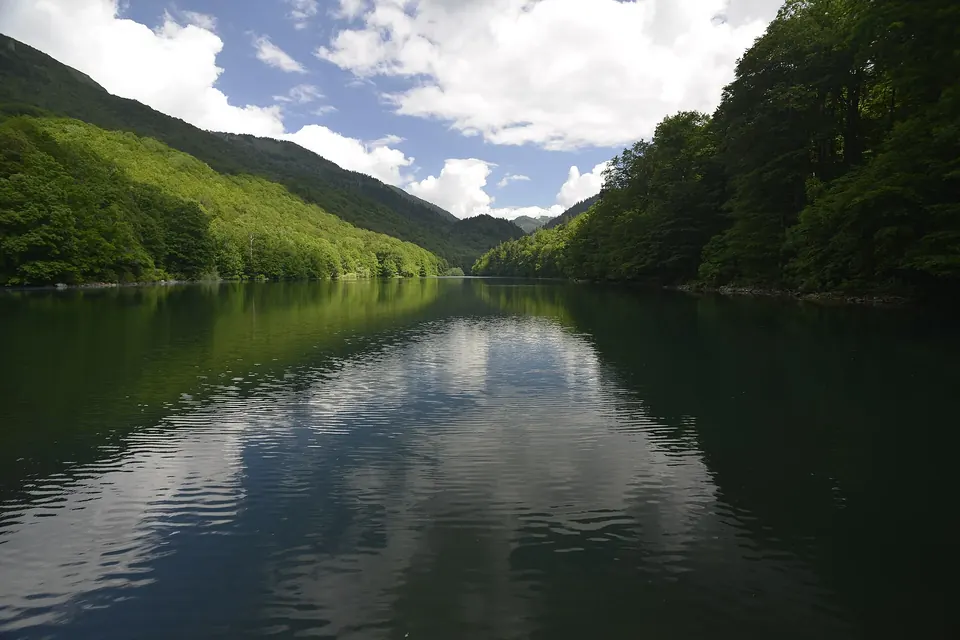 Biogradska GoraBest Things to Do in Biogradska GoraDiscover the best things to do in Biogradska Gora National Park: Biogradska Lake, forest walks, kayaking, hiking, viewpoints, photography and day trip ideas.
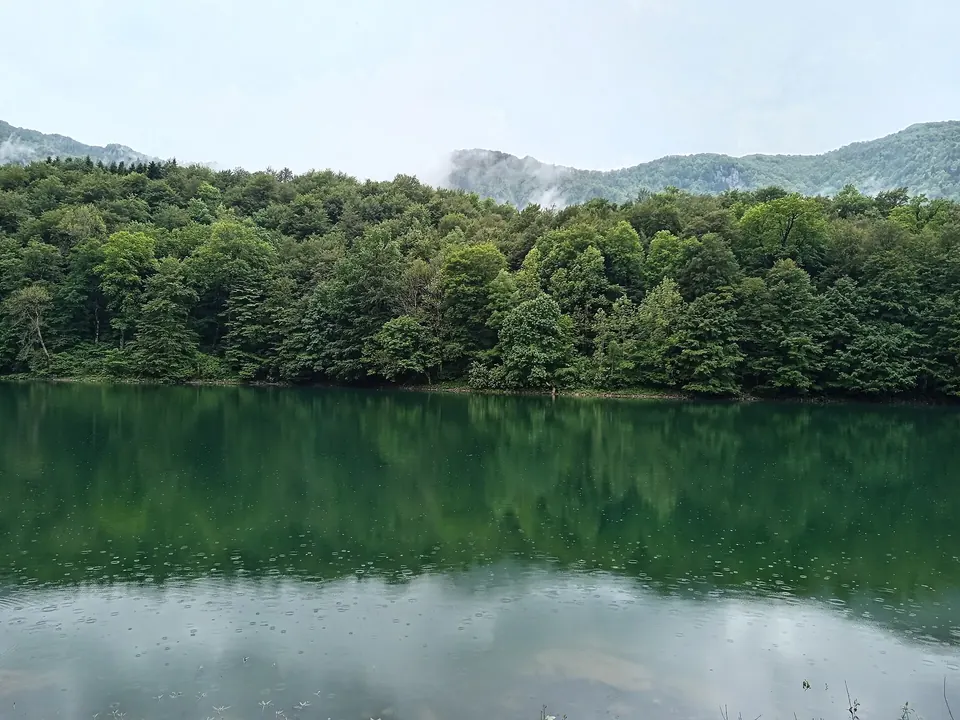 Biogradska GoraBest Time to Visit Biogradska GoraBest time to visit Biogradska Gora? Compare spring, summer, autumn and winter for lake walks, hiking, colours, weather, roads and photography.Biogradska GoraBest Views in Biogradska GoraDiscover the best views in Biogradska Gora: Biogradska Lake, Bendovac viewpoint, forest reflections, Bjelasica panoramas and photography tips.Biogradska GoraBiogradska Gora FAQQuick answers to common questions about visiting Biogradska Gora, from access and seasonality to trip planning.Biogradska GoraBiogradska Gora in SummerVisit Biogradska Gora in summer: Biogradska Lake, hiking, kayaking, cooler mountain air, crowds, parking, what to wear and practical travel tips.
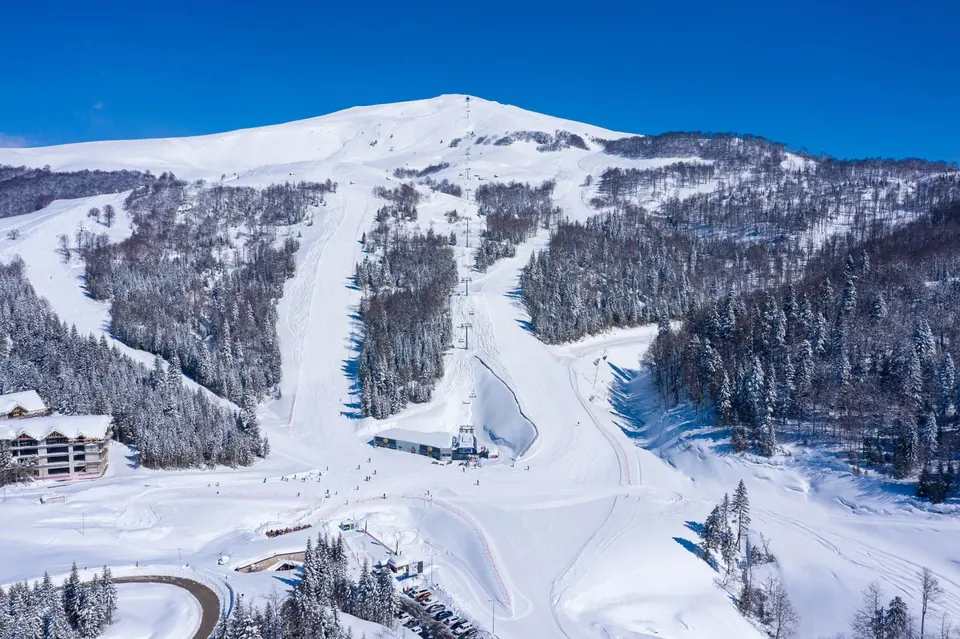 Biogradska GoraBiogradska Gora in WinterVisit Biogradska Gora in winter: snow-covered forest, Biogradska Lake, road access, winter driving, what to wear, photography tips and Kolašin ski ideas.
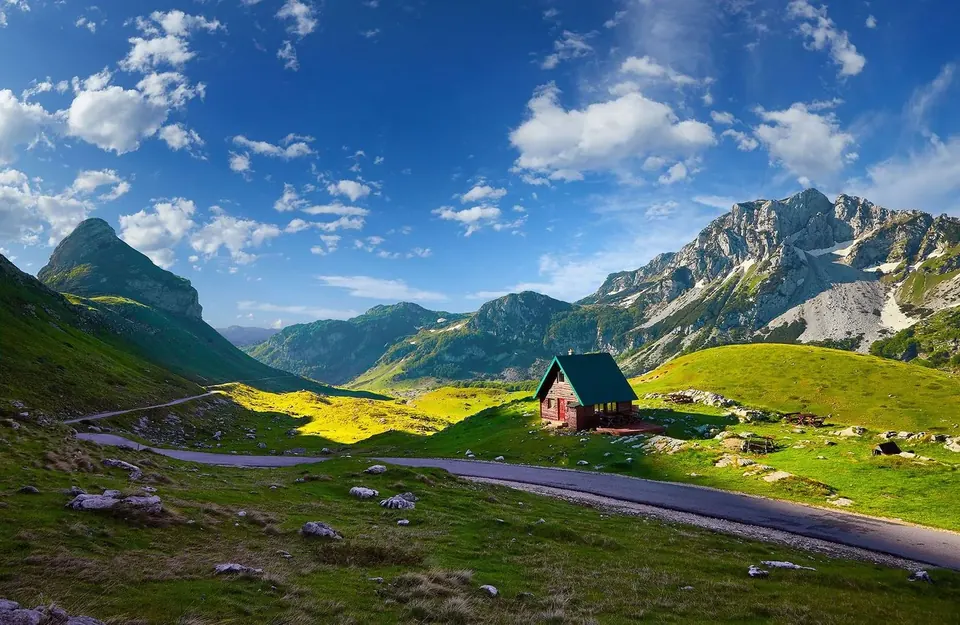 Biogradska GoraBiogradska Gora or Durmitor?Choose between Biogradska Gora and Durmitor depending on atmosphere, route structure and travel style.
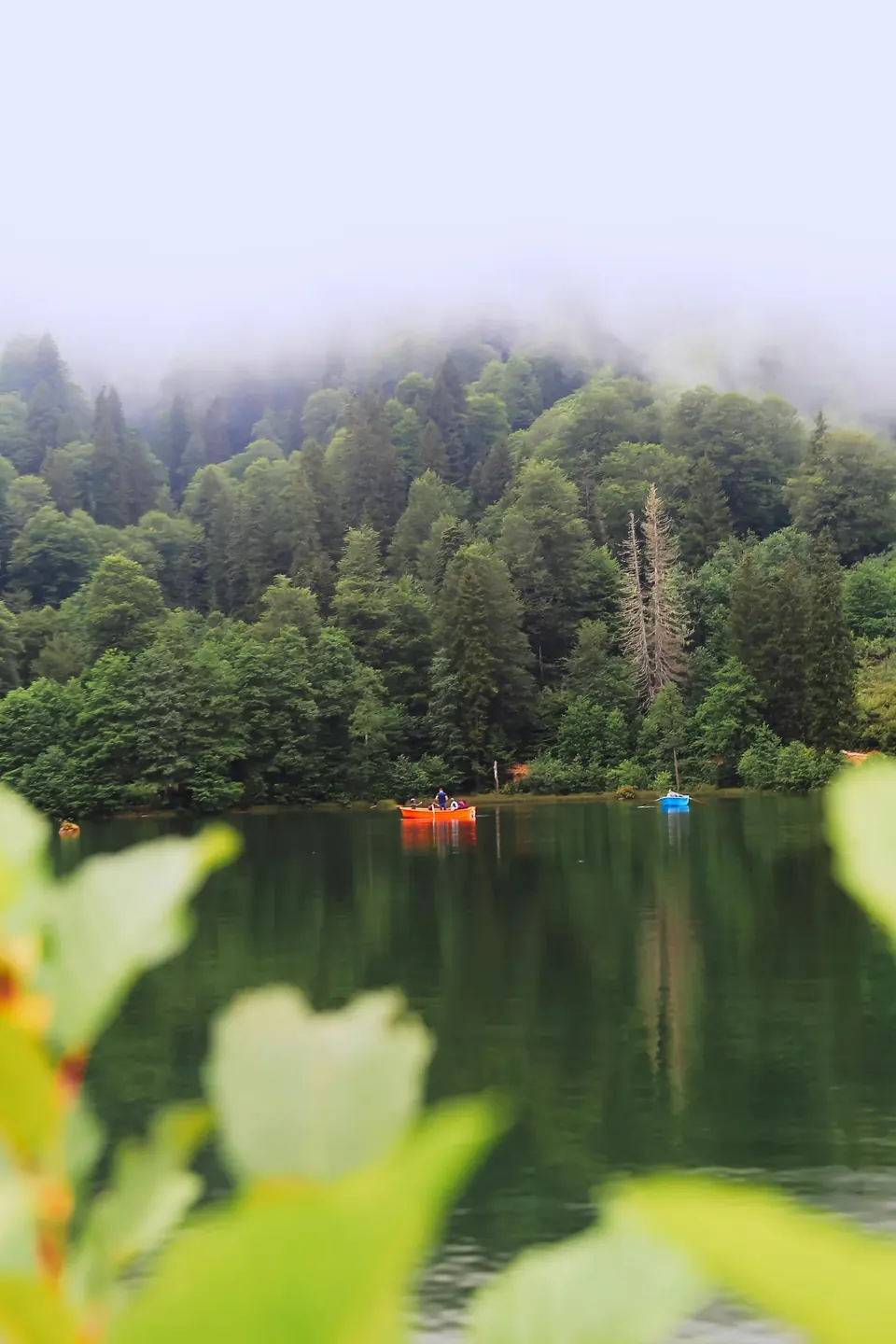 Biogradska GoraBiogradska Gora Photography GuideWhere and when to photograph Biogradska Gora, with lighting tips, seasonal advice and the best type of visit for photographers.Biogradska GoraBiogradska Gora with KidsA family-focused guide to visiting Biogradska Gora with children, including short walks, logistics, pacing and what works best for a relaxed day.
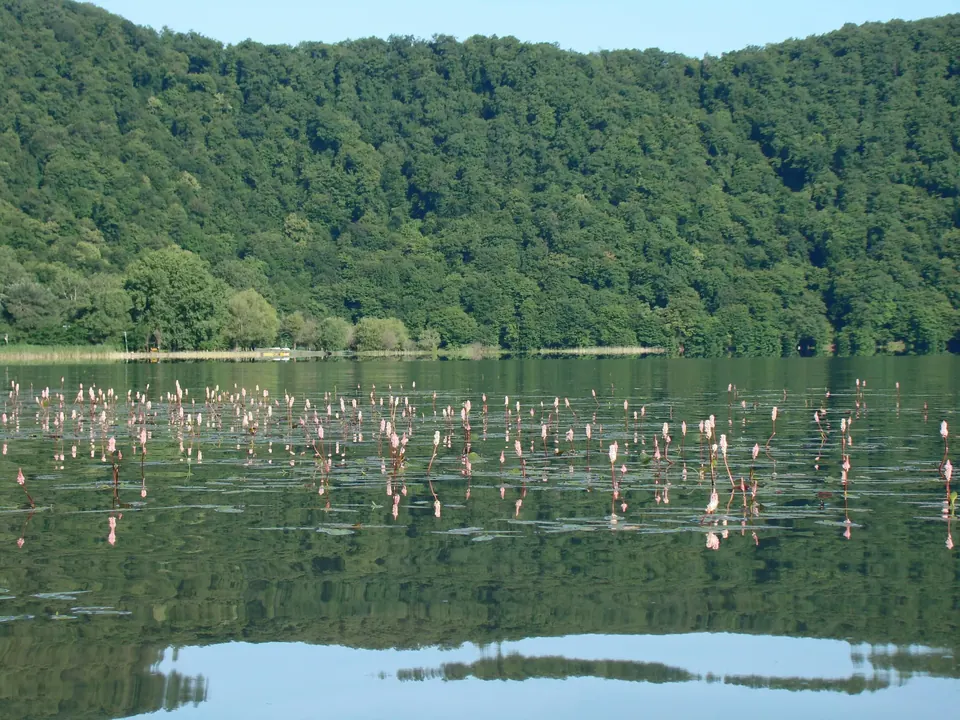 Biogradska GoraBiogradska Lake (Biogradsko Jezero)Plan your visit to Biogradska Lake in Montenegro: lakeside loop, best time to go, how to get there, parking, boat rental, hiking tips and nearby places.
 Biogradska GoraBiogradska Gora vs Black LakeCompare Biogradska Gora and Black Lake near Žabljak: atmosphere, ease, landscape style and who each destination suits best.Biogradska GoraDurmitor vs Biogradska GoraCompare Durmitor and Biogradska Gora for your Montenegro trip: scenery, hiking, lakes, families, road trips, where to stay and best choice.
 Biogradska GoraHiking in Biogradska GoraPlan your hike in Biogradska Gora National Park: lake loop, Bendovac viewpoint, Bjelasica trails, difficulty levels, best season, gear and safety tips.Biogradska GoraHow Many Days for Biogradska Gora?Decide how many days to allocate to Biogradska Gora depending on your trip style, pace and wider Montenegro route.Biogradska GoraHow to Visit Biogradska GoraPlan your visit to Biogradska Gora National Park: entrance, parking, timing, how to get there, best season, lake loop, car access and practical tips.Biogradska GoraBiogradska Gora in SpringWhat to expect from Biogradska Gora in spring, including weather patterns, road conditions, scenery and whether spring is a good time to visit.
 Biogradska GoraWhere to Stay for Biogradska GoraA practical guide to choosing the best base for Biogradska Gora, with Kolašin at the centre of the decision.