 By
Where the strongest images come from
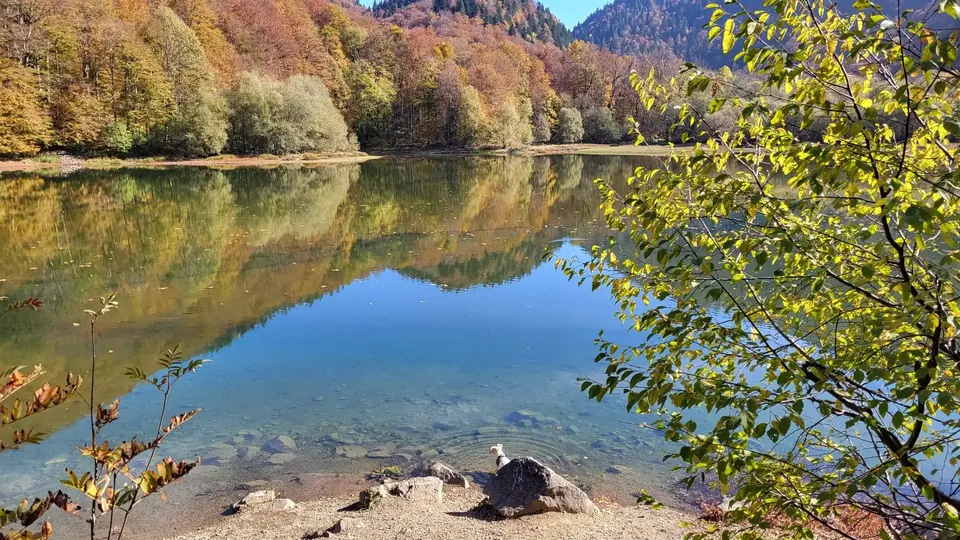
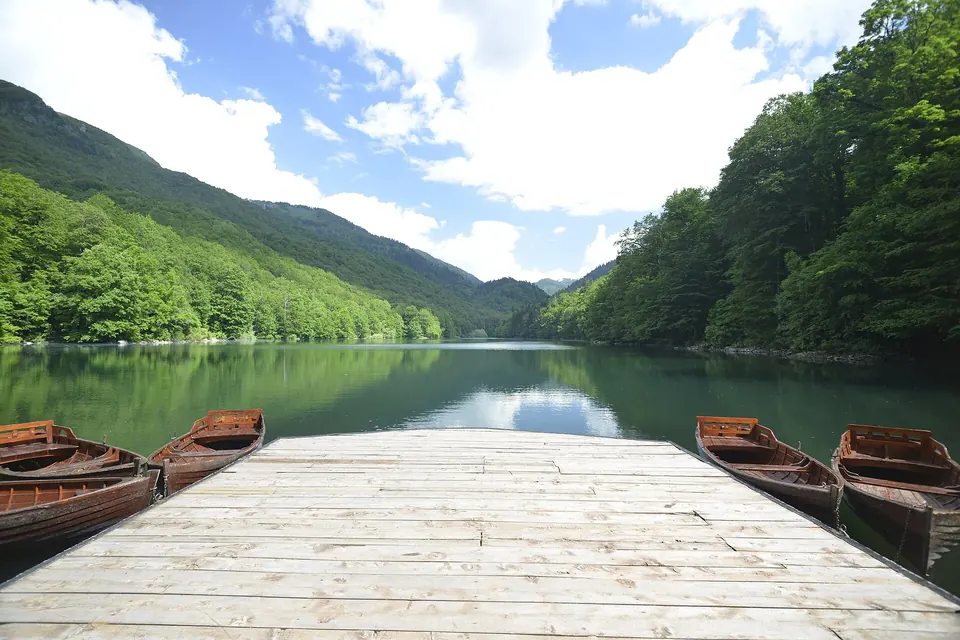
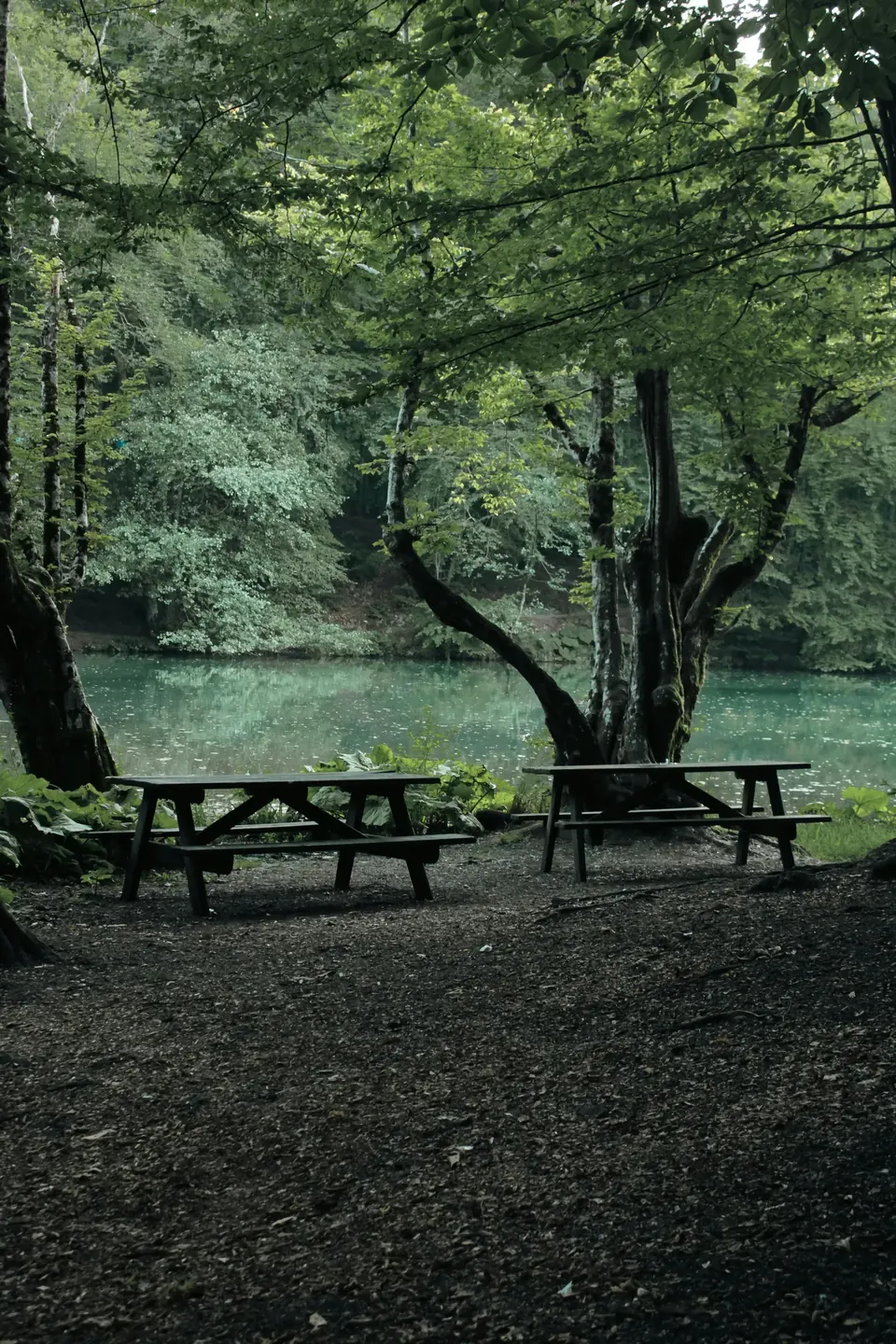
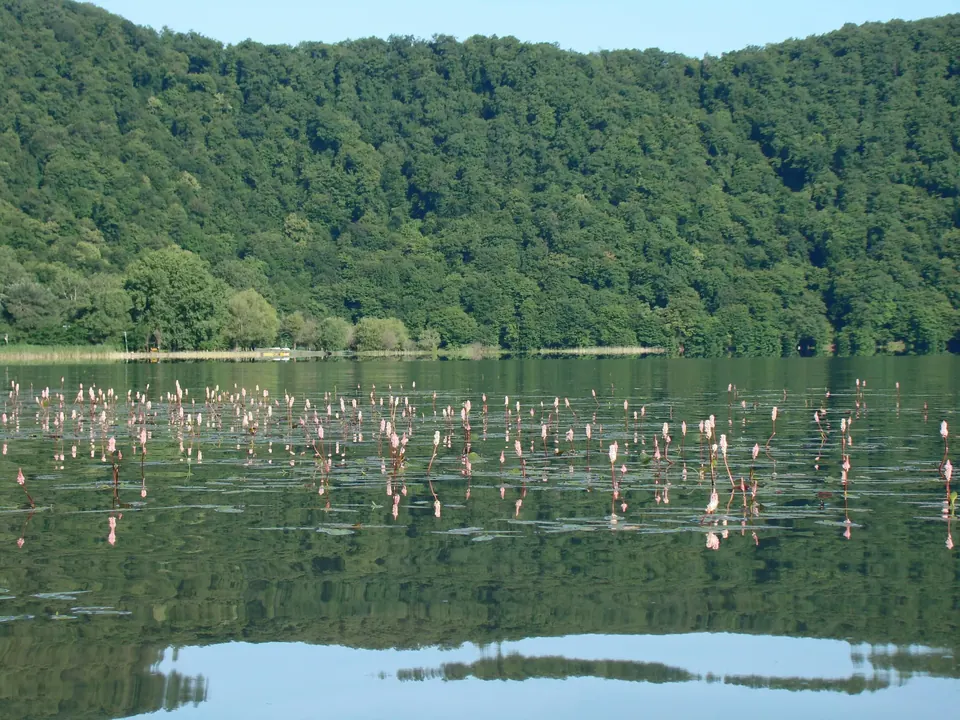
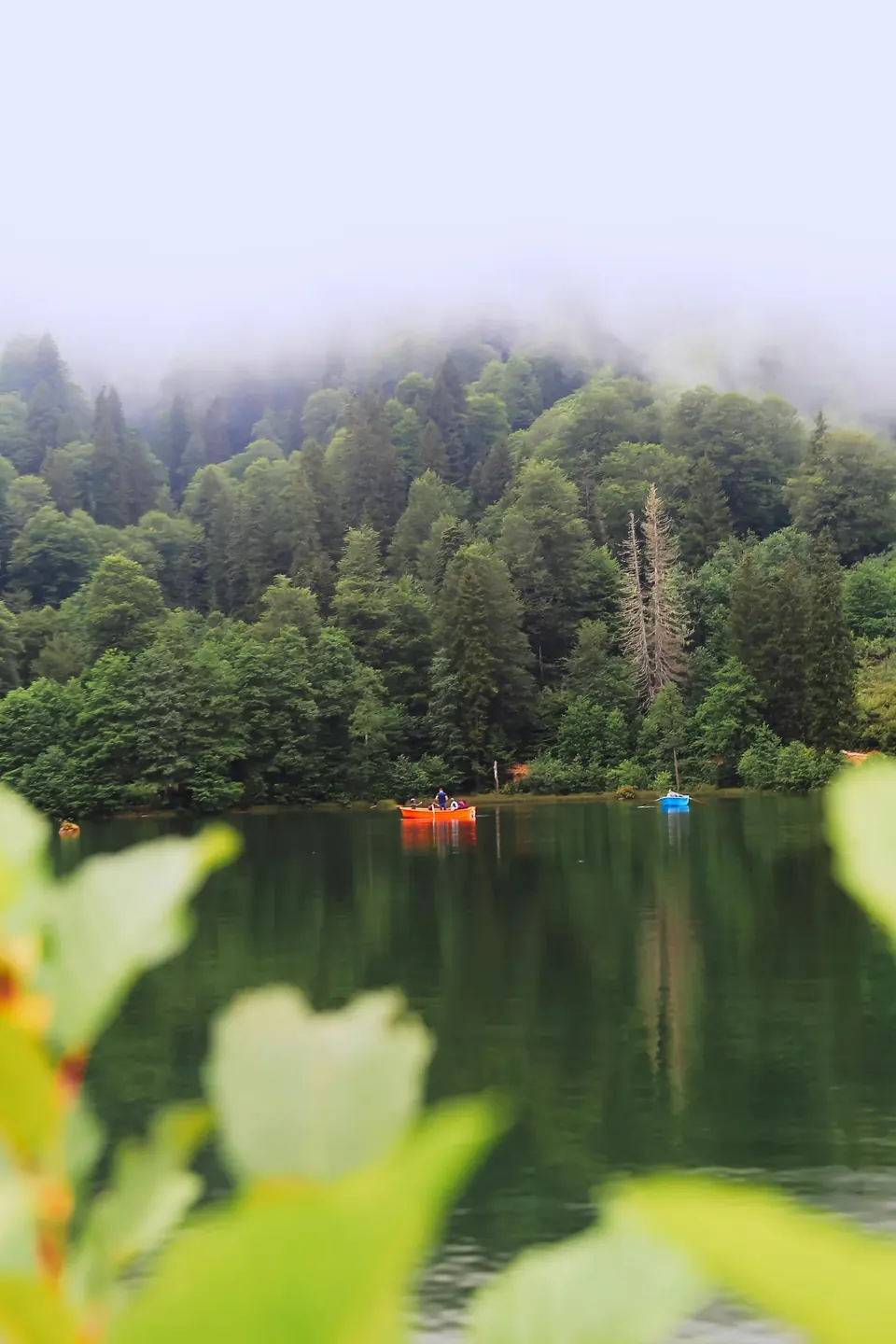
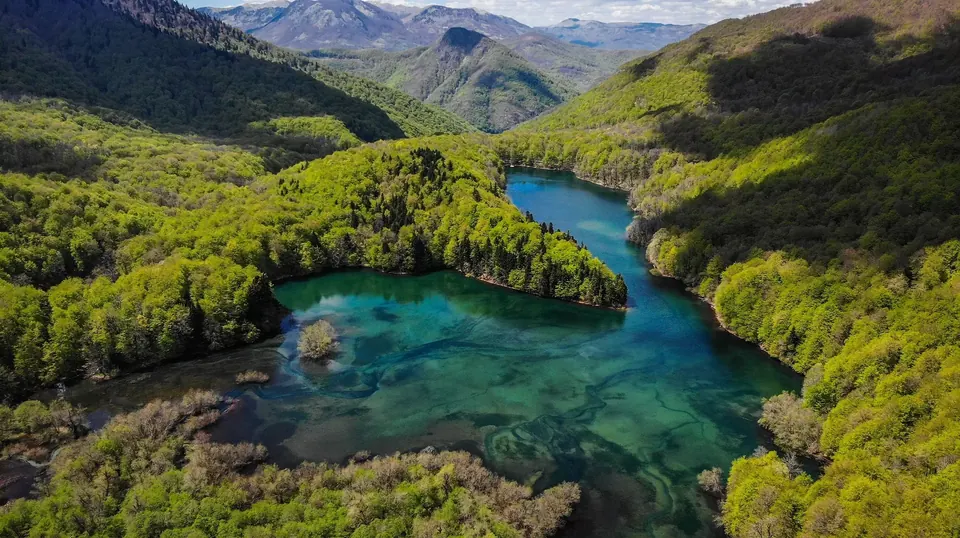
The obvious anchor is the lake, but the best images often come from transitions: reflections, quiet corners of the forest, small shifts in weather and the way the trees frame the water.
That is why photographers generally enjoy a slower half-day rather than a quick stop.
How to plan the light
Early light is cleaner and calmer, especially if the air is still. Later in the day, side light can also be beautiful, but the main point is to avoid arriving in a rush at the harshest midday moment if photography is your real goal.
What to bring
A flexible kit helps more than a heavy one. Comfortable shoes, a lens that handles both wide scenes and details, and a weather-aware mindset matter more than a long list of gear.
If the forecast is unstable, bring a cloth or protection for moisture. Some of the most atmospheric moments happen when conditions are mixed.
- Give the park at least half a day.
- Do not over-schedule another big stop right after it.
- Return in autumn if colour matters to you.
How to get more from the visit
The strongest photographs usually come from light, reflections and forest detail rather than from moving quickly between many locations. Give the lake and surrounding trees enough time for conditions to change.
A realistic photo plan
Arrive early for calmer water and softer light, then stay flexible. Autumn gives the richest colour; late spring gives fresh greens. In both seasons, a half-day with patience usually beats a rushed full circuit.
Common mistakes to avoid
- Arriving only at harsh midday light
- Spending all your time at one obvious viewpoint
- Carrying so much gear that you stop enjoying the walk
Decision rule: If the plan starts to feel rushed on paper, it will usually feel even more rushed in the mountains. Keep one clear priority for the day and let the rest remain optional.
What to pair with a photography day
Photography benefits from an intentionally light itinerary. Pair the main location with one café, meal or easy secondary stop rather than another major attraction. Leaving open time lets you wait for reflections, mist, changing cloud or softer light — the conditions that often matter more than adding a new pin to the map.
Frequently asked questions
Is Biogradska Gora good for photography?
Yes. It is one of the easiest places in Montenegro to capture forest atmosphere and reflective lake scenes.
What season is best for photos?
Autumn is often the most striking, while late spring brings fresh green colour and fewer crowds.
Do you need to hike far?
No. Many good images come from accessible areas near the lake and forest paths.